
Exploring the best siding material for cold weather unveils a realm of possibilities to protect your home from the harsh elements. This guide is crafted to provide valuable insights and practical advice for choosing the most suitable siding material for cold climates.
In the following sections, we will delve into the types of siding materials ideal for cold weather, considerations for selecting the best option, installation techniques tailored for low temperatures, and the benefits of using insulated siding in cold regions.
Types of siding materials suitable for cold weather
When it comes to choosing siding materials for cold weather, certain options are better equipped to withstand the harsh conditions. Let's explore some of the top choices and their characteristics for durability in cold climates.
Vinyl Siding
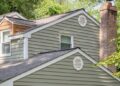
Vinyl siding is a popular choice for cold weather due to its durability and low maintenance requirements. It is resistant to moisture, which is essential in preventing damage from freezing temperatures. Additionally, vinyl siding comes in a variety of colors and styles, making it a versatile option for different design preferences.
In cold climates, vinyl siding has shown excellent performance in maintaining its color and shape over time.
Fiber Cement Siding
Fiber cement siding is another excellent option for cold weather conditions. It is known for its durability and resistance to extreme temperatures, making it ideal for areas with harsh winters. Fiber cement siding is also resistant to moisture, preventing issues such as rotting or warping.
Many homeowners in cold climates have opted for fiber cement siding for its longevity and ability to withstand freezing temperatures.
Engineered Wood Siding
Engineered wood siding combines the natural beauty of wood with the durability of engineered materials, making it a great choice for cold weather. It is designed to resist shrinking, swelling, and cracking, which are common issues in freezing temperatures. Engineered wood siding is also treated to be resistant to moisture, ensuring that it can withstand the challenges of cold and wet climates.
Many homeowners appreciate the aesthetic appeal of engineered wood siding in addition to its durability in cold weather.
Metal Siding
Metal siding, such as steel or aluminum, is a strong and durable option for cold weather conditions. It is resistant to moisture, pests, and rot, making it a long-lasting choice for areas with harsh winters. Metal siding is also fire-resistant, providing an added layer of protection in cold climates.
Many commercial buildings in cold regions have successfully used metal siding for its durability and low maintenance requirements.
Considerations for choosing the best siding material for cold weather
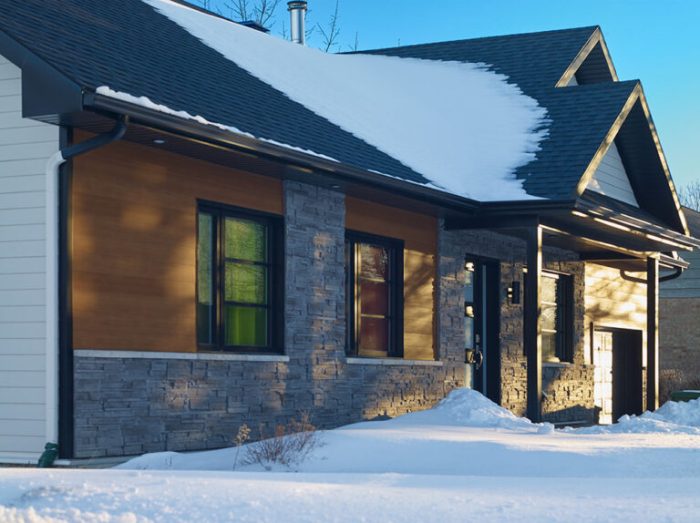
When selecting siding material for cold weather regions, there are several key factors to consider to ensure optimal performance and durability. It is important to weigh the cost-effectiveness of different siding materials in cold climates, as well as understand the maintenance requirements for each type of siding material in these harsh conditions.
Cost-effectiveness of different siding materials in cold climates
- Vinyl siding is often considered one of the most cost-effective options for cold weather regions. It is durable, low-maintenance, and comes in a variety of colors and styles.
- Fiber cement siding is another popular choice for cold climates due to its resistance to extreme temperatures and moisture. While it may have a higher upfront cost, it is known for its longevity and low maintenance requirements.
- Wood siding can provide a classic and natural look to a home, but it may require more maintenance in cold weather regions to prevent warping or rotting. The initial cost of wood siding can vary depending on the type of wood chosen.
- Metal siding, such as steel or aluminum, is known for its durability and resistance to harsh weather conditions. While it may have a higher upfront cost, metal siding can be a long-lasting and cost-effective option for cold climates.
Maintenance requirements for each type of siding material in cold weather conditions
- Vinyl siding typically requires minimal maintenance in cold weather regions, with occasional cleaning to remove dirt and debris. It is important to inspect for any cracks or damage that may occur due to freezing temperatures.
- Fiber cement siding may need to be repainted or resealed periodically to maintain its protective coating in cold climates. Inspecting for any signs of wear or damage is crucial to prevent moisture infiltration.
- Wood siding in cold weather regions may require more frequent maintenance, including staining or painting to protect against moisture and prevent rot. Regular inspections for any signs of decay or insect infestation are essential for preserving the integrity of wood siding.
- Metal siding is known for its low maintenance requirements in cold climates, but it is important to inspect for any dents or scratches that may occur from extreme weather conditions. Repairing any damage promptly can help prolong the lifespan of metal siding.
Installation techniques for siding in cold weather
In cold weather areas, proper installation of siding is crucial to ensure durability and effectiveness in protecting the home. Here are some recommended installation techniques and tips to consider:
Specific installation methods
- Ensure the siding material is acclimated to the cold temperatures before installation to prevent warping or cracking.
- Use a nail gun specifically designed for cold weather to prevent the siding from becoming brittle and breaking during installation.
- Apply a weather-resistant barrier underneath the siding to provide an additional layer of protection against moisture and cold air infiltration.
Tips for ensuring proper installation
- Install siding during the warmest part of the day to allow the material to expand properly.
- Keep all materials and tools warm before and during installation to prevent them from freezing or becoming brittle.
- Check manufacturer recommendations for specific installation guidelines related to cold weather conditions.
Common challenges and how to overcome them
- Frozen materials: Thaw out frozen siding materials slowly to prevent damage and ensure proper installation.
- Poor adhesion: Use adhesive specifically designed for cold weather to ensure the siding stays in place despite low temperatures.
- Brittle siding: Handle siding material with care to prevent it from breaking or cracking during installation in cold weather.
Benefits of using insulated siding in cold weather regions
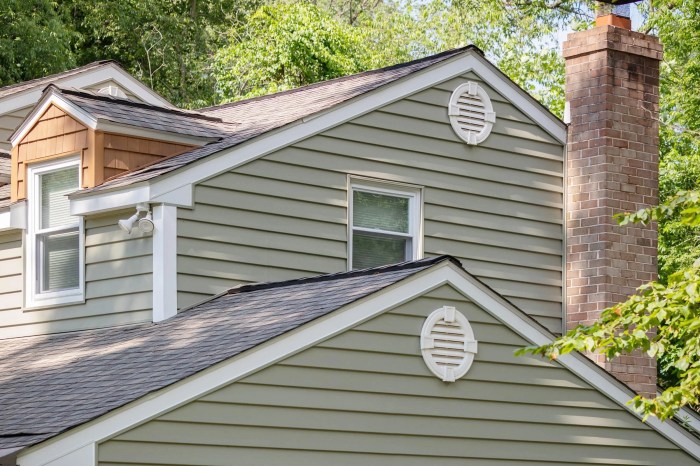
Insulated siding offers several advantages for homes located in cold weather regions. It provides enhanced protection against harsh weather conditions and helps in maintaining a comfortable indoor environment throughout the year.
Improved Energy Efficiency
- Insulated siding acts as an additional layer of insulation for the home, reducing heat loss during the winter months.
- By minimizing heat transfer through the walls, insulated siding helps in lowering energy bills by reducing the need for constant heating.
- Improved energy efficiency also contributes to a more sustainable and eco-friendly living environment.
Enhanced Comfort
- With insulated siding, homes stay warmer in the winter and cooler in the summer, creating a more comfortable living space for residents.
- The consistent indoor temperature achieved with insulated siding leads to a more comfortable and enjoyable living experience year-round.
Examples of Homes Benefiting from Insulated Siding
- A family in Minnesota installed insulated siding and noticed a significant decrease in their heating costs during the winter.
- A cabin in the mountains of Colorado experienced improved thermal performance after upgrading to insulated siding, making it more livable in extreme weather conditions.
End of Discussion
In conclusion, understanding the intricacies of siding materials in cold weather conditions can make a significant difference in the durability and energy efficiency of your home. By choosing the right material and following proper installation techniques, you can ensure your home remains well-protected and insulated against the cold for years to come.
Common Queries
Which siding material is most durable in cold weather conditions?
Fiber cement and engineered wood are known for their durability in cold weather, as they are resistant to moisture and extreme temperatures.
Is vinyl siding a good option for cold climates?
Vinyl siding is a popular choice for cold climates due to its cost-effectiveness and low maintenance requirements. However, it may not be as durable as fiber cement or engineered wood.
How can I prevent damage to siding during cold weather installation?
To prevent damage, ensure that siding materials are acclimated to the temperature, use proper fastening techniques, and avoid installation during extremely cold conditions.