
Delving into Commercial Roofing Contractors: What Makes a Reliable Partner, this introduction immerses readers in a unique and compelling narrative, with a tone that is both engaging and thought-provoking from the very first sentence.
Exploring the qualities, skills, communication strategies, and safety protocols of reliable commercial roofing contractors provides valuable insights into what makes them trustworthy partners in any project.
When it comes to commercial roofing projects, reliability is key. Here are some essential qualities that reliable commercial roofing contractors should possess:
Experience in the Industry
Having experience in the industry is crucial for commercial roofing contractors. It not only ensures that they have the necessary skills and knowledge to handle different types of roofing projects but also indicates their ability to navigate challenges that may arise during the construction process.
Certifications and Licenses
Reliable contractors should have the appropriate certifications and licenses to operate legally and safely. For example, certifications from organizations like the National Roofing Contractors Association (NRCA) or licenses from state authorities demonstrate a contractor's commitment to meeting industry standards and regulations.
Reputation and References
A good reputation and positive references are indicative of a contractor's quality of work and reliability. Contractors with a strong reputation in the industry are more likely to deliver high-quality results and meet deadlines, giving you peace of mind throughout the project.
Insurance Coverage
Insurance coverage is essential for commercial roofing projects to protect both the contractor and the client in case of accidents or damages. Contractors should have liability insurance and workers' compensation coverage to ensure that you are not held liable for any unforeseen incidents during the construction process.
Skills and Expertise Required
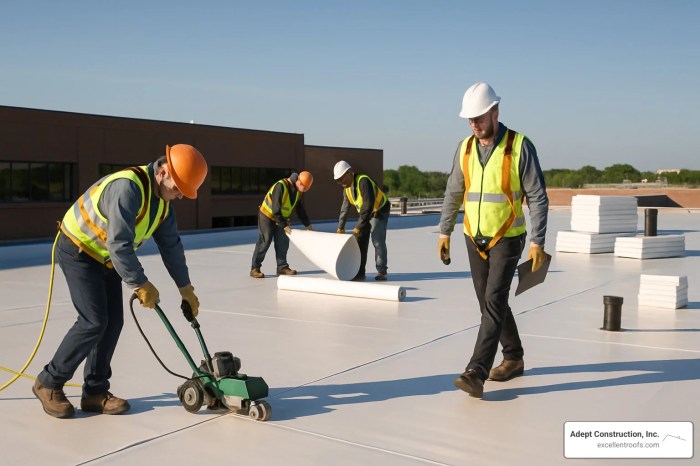
Effective commercial roofing contractors must possess a unique set of skills and expertise to handle various types of roofing materials and execute large-scale projects successfully. Staying updated with the latest technologies and techniques is crucial in delivering high-quality results and ensuring client satisfaction.
Handling Different Types of Commercial Roofing Materials
- Extensive knowledge of different roofing materials such as EPDM, TPO, PVC, metal, and built-up roofing.
- Proficiency in installation, repair, and maintenance techniques specific to each type of material.
- Ability to assess the condition of existing materials and recommend the most suitable solutions for each project.
- Skills in handling specialized equipment and tools required for working with different roofing materials.
Expertise Needed for Large-Scale Commercial Roofing Projects
- Project management skills to coordinate large teams and ensure efficient workflow.
- Experience in estimating project costs, timelines, and resource requirements accurately.
- Knowledge of safety regulations and best practices for working on commercial roofing projects.
- Ability to communicate effectively with clients, subcontractors, and team members throughout the project.
Importance of Staying Updated with Latest Roofing Technologies
- Adopting new technologies and techniques improves efficiency, reduces costs, and enhances the quality of work.
- Keeping up with industry advancements allows contractors to offer innovative solutions to clients.
- Training and certifications in new technologies demonstrate a commitment to professional development and excellence in the field.
- Utilizing advanced roofing technologies can lead to increased sustainability and energy efficiency in commercial buildings.
Examples of Successful Commercial Roofing Projects
- Installation of a green roof system on a large commercial building, reducing energy consumption and providing additional insulation.
- Completion of a complex roof replacement project on a shopping mall within the specified timeline and budget.
- Retrofitting a commercial property with a cool roof system to improve indoor comfort and reduce cooling costs.
- Repair and maintenance of a historic commercial building's roof, preserving its architectural integrity while ensuring structural integrity.
Communication and Project Management
Clear communication is essential for successful commercial roofing projects
Effective Project Timelines Management
- Establishing clear project timelines and milestones from the beginning.
- Regularly updating the client on the progress and any potential delays.
- Proactively addressing any issues that may arise to prevent timeline disruptions.
Importance of Transparency in Project Estimates and Costs
- Providing detailed and accurate estimates to clients upfront.
- Being transparent about any potential additional costs or changes in the scope of work.
- Regularly updating the client on the project's financial status to maintain trust and avoid surprises.
Effective Project Management Strategies
- Utilizing project management software to track progress, assign tasks, and communicate with team members.
- Conducting regular project meetings to review progress, address issues, and adjust plans if necessary.
- Assigning a dedicated project manager to oversee the entire project and ensure all aspects are running smoothly.
Safety Protocols and Compliance
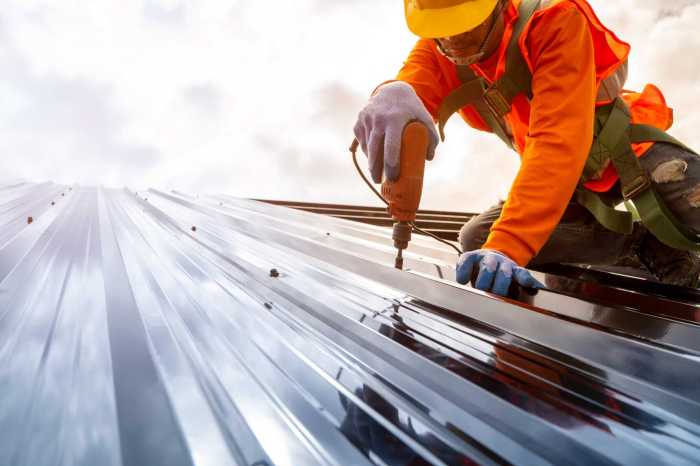
Safety is a top priority when it comes to commercial roofing projects. Reliable commercial roofing contractors adhere to strict safety protocols to ensure the well-being of their employees and the success of the project. Compliance with local building codes and regulations is crucial to avoid any legal issues and ensure the structural integrity of the roof.
Let's delve into the specific safety measures and compliance standards that reputable contractors follow:
Safety Protocols Implementation
- Regular safety inspections of the work site to identify and address potential hazards.
- Providing appropriate safety gear such as hard hats, gloves, and harnesses for employees.
- Implementing fall protection systems like guardrails, safety nets, and personal fall arrest systems.
Importance of Compliance with Building Codes
- Compliance ensures that the roof meets the required standards for safety and structural integrity.
- Avoiding fines and legal issues by following local regulations and building codes.
- Protecting the reputation of the contractor and ensuring client satisfaction with a job well done.
Training and Certification Requirements
- Employees must undergo safety training programs to understand and implement safety protocols effectively.
- Certifications such as OSHA 30-hour training are often required for working on commercial roofing projects.
- Ongoing education and training to stay updated on the latest safety practices and regulations.
Closure
In conclusion, understanding the key aspects of reliable commercial roofing contractors is crucial for ensuring successful and safe projects. By focusing on experience, skills, communication, and safety, businesses can find partners they can rely on for all their roofing needs.
General Inquiries
What certifications should reliable commercial roofing contractors have?
Reliable contractors should have certifications such as GAF Master Elite Certification or CertainTeed ShingleMaster Certification to showcase their expertise and commitment to quality.
How do reliable contractors manage project timelines effectively?
By utilizing project management tools, setting clear milestones, and maintaining open communication with clients, reliable contractors ensure that projects stay on track and are completed on time.
What safety protocols should reliable commercial roofing contractors follow?
Reliable contractors should adhere to safety protocols such as providing proper fall protection equipment, conducting regular safety training sessions, and implementing strict guidelines for working at heights.