
Delving into the realm of roof inspections, this guide sheds light on the key aspects of a full roof inspection report, offering homeowners valuable insights and crucial information.
Exploring the components, inspection process, common findings, and more, this guide aims to equip readers with the knowledge necessary to navigate the world of roof maintenance effectively.
Importance of a Full Roof Inspection Report
Having a detailed roof inspection report is crucial for homeowners to ensure the safety and longevity of their property.
Early Identification of Potential Issues
A comprehensive roof inspection report helps in identifying potential issues early on, such as leaks, damaged shingles, or structural weaknesses. By catching these problems in their early stages, homeowners can address them promptly before they escalate into more serious and costly issues.
Valuable Document for Insurance Claims
The roof inspection report serves as a valuable document for insurance claims in case of any damage or repairs needed. Insurance companies often require a detailed report to assess the condition of the roof and determine the coverage for any necessary repairs or replacements.
Having a thorough inspection report can streamline the claims process and ensure that homeowners receive the appropriate compensation for their roof-related expenses.
Components of a Full Roof Inspection Report
When conducting a full roof inspection, it is crucial to include various key components in the inspection report. These components provide a detailed overview of the roof's condition and help in identifying any potential issues that may need attention.
Key Components:
- Roof Covering: Documenting the type and condition of the roof covering is essential in assessing its durability and lifespan. This includes materials used, any visible damage, and signs of wear and tear.
- Roof Structure: Inspecting the roof structure for any structural issues such as sagging, rot, or damage is crucial for ensuring the stability and safety of the roof.
- Flashings and Sealants: Examining the flashings and sealants around vents, chimneys, skylights, and other penetrations is important to prevent water infiltration and leaks.
- Gutters and Downspouts: Assessing the condition of gutters and downspouts helps in determining if they are adequately directing water away from the roof and foundation.
- Attic and Ventilation: Checking the attic space and ventilation system can reveal issues such as inadequate insulation, moisture buildup, or poor ventilation that can affect the roof's performance.
Importance of Documenting Roof Covering:
Documenting the condition of the roof covering is crucial as it provides a clear picture of the roof's current state. This information helps in determining if any repairs or replacements are necessary to maintain the roof's integrity and prevent further damage.
Significance of Including Photographs:
Including photographs in the inspection report is beneficial as visual references can provide a more detailed and accurate representation of the roof's condition. Photographs help in highlighting specific areas of concern, making it easier for homeowners and contractors to understand the extent of any issues identified during the inspection.
Inspection Process and Methods
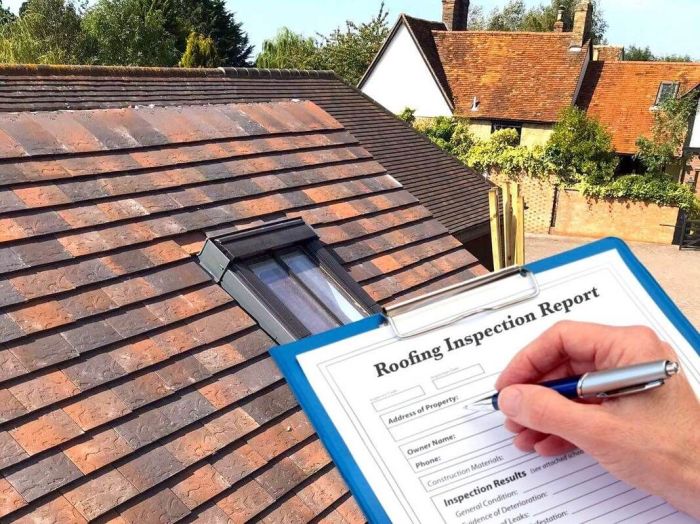
During a full roof inspection, professionals follow a systematic process to thoroughly assess the condition of the roof and identify any potential issues that may need attention. This process typically includes various methods and techniques to ensure a comprehensive evaluation.
Step-by-Step Process for Roof Inspection
- Initial Assessment: The inspector will visually examine the roof from the ground to identify any visible signs of damage or wear.
- Interior Inspection: Checking the interior of the property for signs of water damage, leaks, or mold that may indicate a roofing issue.
- Roof Surface Evaluation: Climbing onto the roof to inspect the surface for missing shingles, cracks, or other damage.
- Flashing and Vent Inspection: Checking the flashing around chimneys, vents, and skylights for any signs of deterioration.
- Gutter Examination: Inspecting the gutters for debris buildup, clogs, or damage that could affect roof drainage.
Comparison of Different Inspection Methods
- Visual Inspection: This traditional method involves physically examining the roof and its components for visible signs of damage.
- Drone Technology: Using drones equipped with cameras to capture detailed aerial images of the roof, providing a comprehensive view without the need for physical access.
- Thermal Imaging: Utilizing thermal cameras to detect temperature variations on the roof surface, which can indicate areas of moisture infiltration or insulation issues.
Equipment and Tools Used for Inspection
- Ladders: Essential for accessing the roof safely and inspecting hard-to-reach areas.
- Binoculars: Useful for closer inspection of the roof from the ground before climbing up.
- Moisture Meters: To detect hidden moisture within the roof structure that may not be visible to the naked eye.
- Roofing Hammer: For testing the integrity of shingles and other roofing materials.
- Safety Gear: Including harnesses, helmets, and protective clothing to ensure the safety of inspectors during the assessment.
Common Findings in Roof Inspection Reports
When conducting a full roof inspection, there are several common issues that inspectors often come across. These findings can range from minor wear and tear to significant damages that require immediate attention. Identifying these issues is crucial in maintaining the overall condition and extending the lifespan of the roof.
Typical Roofing Problems
- Leaking: One of the most common issues found during roof inspections is leaks. These can be caused by damaged flashing, cracked seals around vents, or missing shingles.
- Missing or Damaged Shingles: Inspectors often find missing, cracked, or curling shingles during inspections. This not only affects the aesthetic appeal of the roof but also compromises its ability to protect the structure from the elements.
- Sagging or Uneven Roofing Structure: Structural issues such as sagging or uneven roofing can indicate underlying problems with the roof's support system. This can lead to further damages if not addressed promptly.
- Poor Ventilation: Improper ventilation can result in moisture buildup, which can cause mold growth, wood rot, and other issues that can impact the roof's integrity.
End of Discussion
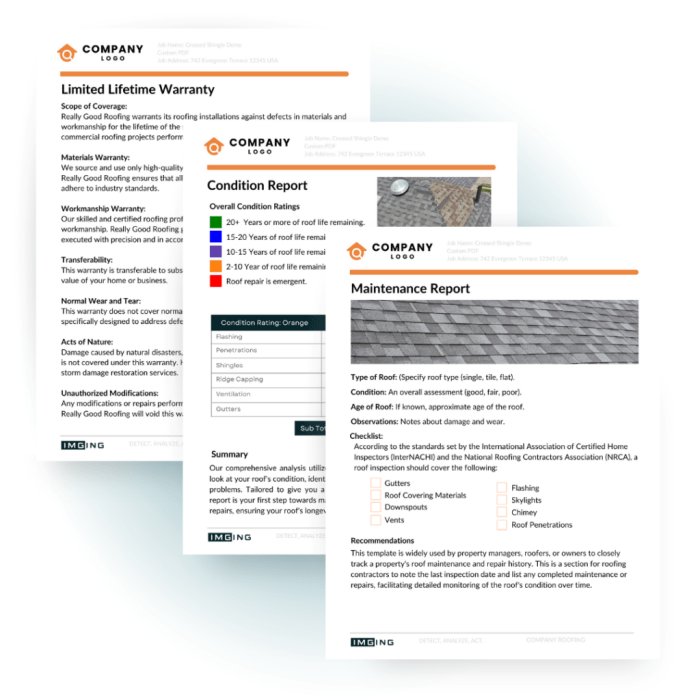
In conclusion, understanding what to expect from a full roof inspection report is essential for ensuring the longevity and structural integrity of your roof. Armed with this knowledge, homeowners can make informed decisions and take proactive steps towards maintaining a safe and secure home environment.
FAQ Section
What should be included in a full roof inspection report?
The report should cover key components like the condition of the roof covering, any damages or issues identified, and photographic evidence for reference.
How can a full roof inspection report benefit homeowners?
It helps in early identification of potential issues, serves as documentation for insurance claims, and provides a comprehensive overview of the roof's condition.
What are some common findings in roof inspection reports?
Common issues include leaks, missing shingles, structural damage, or signs of wear and tear that can impact the roof's lifespan.