
Exploring the optimal timing for replacing roofing and siding opens up a world of considerations. From weather conditions to regional climates, each factor plays a crucial role in determining the best season for these home improvements. Let's delve into the intricacies of timing and uncover the ideal periods for renovating your roof and siding.
As we navigate through the various factors influencing the replacement process, you'll gain insights into how temperature fluctuations, seasonal variations, and material performances impact your decision-making process.
Factors Influencing the Timing of Roofing and Siding Replacement
When considering the best time of year to replace roofing and siding, it's important to take into account various factors that can influence the process. Weather conditions, temperature variations, and seasonal factors all play a significant role in determining the ideal timing for these home improvement projects.
Weather Conditions Impacting Replacement Process
Weather conditions such as rain, snow, or high winds can significantly impact the replacement process of roofing and siding. Rain can cause delays in installation and affect the quality of the work, while snow and ice can create safety hazards for workers.
High winds can also pose a risk during installation, potentially damaging materials and compromising the integrity of the new roof or siding.
Temperature Variations and Quality of Installation
Temperature plays a crucial role in the installation of roofing and siding. Extreme heat or cold can affect the quality of the installation, as certain materials may not perform optimally in extreme temperatures. For example, shingles may not seal properly in cold weather, leading to potential leaks, while excessive heat can cause materials to warp or buckle.
Seasonal Factors for Replacements
Seasonal factors such as spring and fall are often considered the best times for roofing and siding replacements. During the spring, the weather is more predictable, with less chance of extreme conditions. Fall is also a popular time as it allows homeowners to prepare their homes for the upcoming winter season.
Additionally, scheduling replacements during these seasons can help avoid potential weather-related delays and ensure the work is completed efficiently.
Benefits of Replacing Roofing and Siding During Specific Seasons
When it comes to replacing roofing and siding, the timing of the project can greatly impact the overall outcome. Each season offers unique advantages that can influence the performance, durability, and cost of the materials used. Let's explore the benefits of replacing roofing and siding during specific seasons.
Spring vs. Fall Replacements
In spring, the mild weather provides ideal conditions for roofing and siding replacements. The moderate temperatures and lower humidity levels make it easier for contractors to work efficiently without the extreme heat of summer. Additionally, spring replacements can help prepare your home for the upcoming summer storms and provide a fresh look for the season ahead.On the other hand, fall replacements offer similar benefits with cooler temperatures and less risk of severe weather conditions.
By replacing roofing and siding in the fall, you can ensure that your home is well-protected before the harsh winter weather sets in. This timing allows for any necessary repairs or upgrades to be completed before the colder months arrive.
Benefits of Summer Replacements
Summer replacements can be advantageous in terms of material performance. The warmer temperatures allow for better adhesion of roofing and siding materials, ensuring a more secure and durable installation. Additionally, the longer daylight hours in summer provide more time for contractors to work on the project, potentially reducing the overall timeline for completion.
Advantages of Winter Replacements for Cost Savings
While winter replacements may seem challenging due to the cold weather conditions, they can actually offer cost savings. Contractors are typically less busy during the winter months, leading to potential discounts or promotions for roofing and siding replacements. Additionally, materials may be more affordable during the off-season, contributing to overall cost savings for the project.
Considerations for Planning the Replacement Project
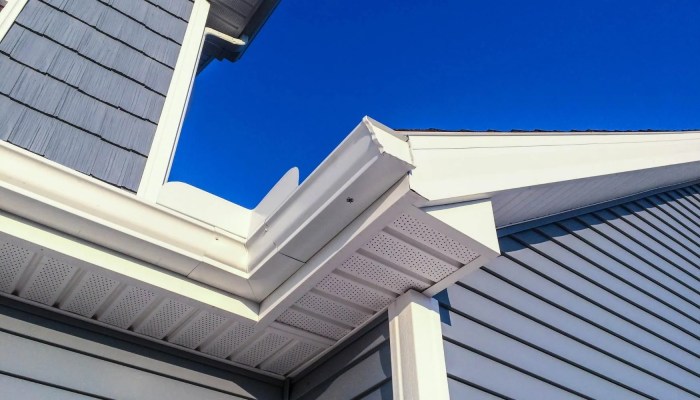
When preparing for a roofing and siding replacement project, there are several important considerations to keep in mind. From creating a checklist of tasks to selecting the right contractor, proper planning can make a significant difference in the success of the project.
Create a Checklist of Tasks
- Evaluate the condition of your current roofing and siding.
- Set a budget for the replacement project.
- Research different roofing and siding materials and styles.
- Contact local authorities to inquire about necessary permits.
- Arrange temporary accommodation if needed during the replacement.
Importance of Scheduling Inspections
Scheduling inspections before the replacement is crucial to assess the extent of damage, identify any underlying issues, and determine the best course of action. Inspections can help prevent unexpected surprises during the replacement process and ensure that the project stays on track.
Tips for Selecting the Right Contractor
- Ask for recommendations from friends, family, or neighbors.
- Check online reviews and ratings of potential contractors.
- Request quotes from multiple contractors to compare pricing and services.
- Inquire about warranties, insurance, and licensing before making a decision.
- Get everything in writing, including the project timeline and payment terms.
Impact of Regional Climate on Timing
Regional climate plays a crucial role in determining the best time to replace roofing and siding. Factors such as temperature, humidity, and precipitation levels can significantly impact the success and efficiency of the replacement project.
Regional Variations in Timing
- In regions with harsh winters, such as the Northeast or Midwest, it is essential to avoid replacing roofing and siding during the colder months. Extreme cold temperatures can affect the materials' installation and performance, leading to potential damage.
- On the other hand, in areas with scorching summers, like the Southwest, it is advisable to schedule replacements during milder seasons to prevent heat-related issues and ensure optimal conditions for installation.
Challenges in Extreme Climates
- In regions prone to hurricanes or heavy rainfalls, homeowners may face challenges in scheduling replacements due to unpredictable weather patterns. It is crucial to plan ahead and consider the risk of delays caused by severe storms.
- In arid climates, such as desert regions, extreme dryness can impact the durability of roofing and siding materials. Homeowners must take measures to ensure proper hydration and protection during replacements.
Adapting to Regional Weather Patterns
- By studying historical weather data and consulting local experts, homeowners can determine the most favorable time for roofing and siding replacements in their region. Adapting the timeline based on seasonal trends can help optimize the project's outcome.
- Utilizing weather-resistant materials and techniques suitable for specific climate conditions can enhance the longevity and performance of the new roofing and siding, providing better protection against regional weather challenges.
Closing Summary
In conclusion, understanding the nuances of when to replace roofing and siding is key to ensuring a successful renovation project. By considering weather conditions, seasonal benefits, and regional climates, you can make informed choices that enhance the longevity and efficiency of your home's exterior.
User Queries
What are the best weather conditions for replacing roofing and siding?
Ideally, moderate temperatures with minimal precipitation are optimal for a smooth replacement process.
Is it better to replace roofing and siding in spring or fall?
Spring offers milder weather conditions, while fall provides cooler temperatures. Choose based on your priority – timing or weather.
How can homeowners prepare for a roofing and siding replacement project?
Creating a checklist, scheduling inspections, and selecting a reputable contractor are essential steps in planning for replacements.
Does regional climate impact the timing of replacements?
Yes, different climates pose unique challenges. Adapting the replacement timeline based on regional weather patterns is crucial.